
International Rabbit Awareness Day 2025: How to create their perfect home
22 September 2025
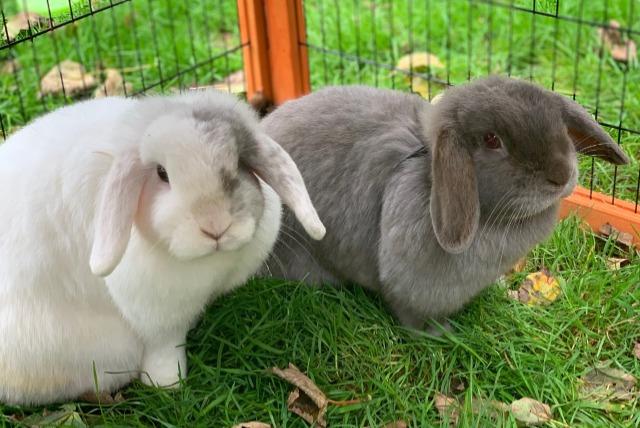
If you’ve got rabbits at home, you’ll already know they’re full of energy and personality. Giving them a cosy, safe space to live in isn’t just about comfort – it’s about keeping them happy, healthy, and able to be their playful, curious selves.
People often misjudge just how much space rabbits need, and we’re big advocates at RSPCA Norwich for ensuring all rabbit owners provide their pets with plenty of room for hopping, running, digging and relaxing.
Sadly, we often deal with cases where groups of rabbits are neglected and left in small, rotting cages – which not only causes mental trauma for them, but can also hugely negatively impact their physical abilities and lead to weakened bones, loss of fur and gastrointestinal issues.
As September 27th marks International Rabbit Awareness Day, we thought it would be the perfect opportunity to share some of our animal welfare team’s top tips for creating the perfect home for these highly intelligent hoppers.
Hutch sizes and living spaces
For two medium-sized rabbits, RSPCA guidelines recommend a living space no smaller than 3m x 2m and 1m high as an absolute minimum – this will include their main shelter and exercise area. Guidelines from the Rabbit Welfare Association further reiterates the fact that a hutch alone is not enough space, and that rabbits should have also have access to a secure outdoor area (the upper floor of a two-storey hutch does NOT count towards the recommended outdoor footprint).
The number 1 rule is that they have enough room to exercise daily and stand up fully on their back legs without their ears touching the roof. They are highly active and inquisitive animals that need regular exercise to stay fit and healthy. Fun fact: Rabbits are crepuscular which means they are more active dawn and dusk, right when people tend to lock them in hutches overnight.
A dedicated shed, hut or playhouse with an exercise area attached can make a great home. Rabbits like to have separate areas in their shelter for eating, resting and toileting.
Their shelter should be raised from the ground to keep them dry on rainy days, waterproof, and sturdy. In the summer months ensure the shelter is placed in a shaded area with good ventilation to avoid heatstroke, and in the winter months ensure the shelter is warm and well-insulated (you should also provide extra bedding such as old carpets and blankets and use an insulated cover). If temperatures drop below freezing, you should move your rabbits to an inside area (either inside the house or in a garage, shed, utility room etc.)
Companionship
Rabbits should never be kept alone, as they are highly social creatures that thrive in the company of their own kind. Pet rabbits may live in our homes, but at heart, they remain wild animals. In the wild, rabbits depend on their warren companions not just for warmth, but also for safety—others alert them to the presence of predators. Given the choice, rabbits consistently seek out the company of fellow rabbits.
A solitary rabbit, on the other hand, often feels anxious, remaining constantly on guard and unable to fully relax without another rabbit to share the responsibility of keeping watch.
Research shows that single rabbits may develop stress-related behaviours such as bar-biting. Living with a bonded companion helps reduce this stress and supports their overall wellbeing.
Indoor rabbits
Keeping rabbits indoors can be a lovely way to bond with them and makes it easier to keep a close eye on their health and behaviour. But just like cats and dogs, they need the right setup and daily care to stay happy and healthy.
It’s important to ensure that you have removed all hazards and that there’s nothing nearby they could try to chew (electrical wires, toxic materials, sharp objects etc).
Indoor rabbits still need access to plenty of room outdoors in order to replicate their natural instincts such as digging, hiding and exploring (which is why they love tubes and boxes so much!). They also should have access to a grassy area to nibble on, and undercover areas to protect them from the rain when spending time outdoors.
Providing hiding places
Because rabbits are prey animals, they feel safest when they have places to hide away from anything that might seem like a threat—whether that’s the sight or smell of dogs, cats, ferrets, or even birds of prey.
Make sure they always have access to secure hiding spots in both their main shelter and their exercise area. Simple things like cardboard boxes or tunnels work really well, and it helps if they have more than one entrance so the rabbits don’t feel trapped.
Ideally, provide at least one hiding place per rabbit, plus a spare if you can. Offering a mix of sizes means they can choose to tuck themselves away alone or cuddle up together. Just be careful not to overcrowd their space—rabbits still need plenty of room to move, hop, and stretch
Toilet areas
Rabbits should always have easy access to a suitable toilet spot. If you’re using litter trays, line them with things like newspaper, hay or straw, shredded paper, or paper-based cat litter (as long as it’s non-clumping and non-expanding). Try to keep their toilet area separate from where they sleep, so they’ve got clear spaces for different needs.
It’s best to clean out toilet areas every day and give the whole enclosure a proper clean about once a week. Depending on how many bunnies you have (and how messy they are!), you might need to do it more often.
Because cleaning can be a bit unsettling for rabbits, it helps to put back a small amount of their used bedding so they still recognise their scent. Always use safe, non-toxic cleaning products, and make sure everything is dry before your rabbits head back in.
Enrichment
Give your rabbits plenty of ways to stay busy and express their natural behaviours. A raised platform to hop onto, a sandpit for digging, or a simple cardboard box to hide in can all make their space more exciting. Safe chew toys and objects they can nudge around are great too.
You can even make mealtimes fun by hanging food so they have to stretch up on their back legs, or by stuffing hay into racks, cardboard tubes, or empty egg boxes or hiding treats in and under different things also encourages natural foraging.
A few more rabbit owner must-knows:
- Rabbits are highly social animals – they must not live on their own unless advised by a vet. See the RSPCA’s advice page on how to introduce rabbits to each other.
- Rabbits have an unusual digestive system – food is passed through their gut and special droppings (‘caecotrophs’) are produced. Rabbits eat these, allowing the food to be re-ingested, getting maximum nutrition. Ensure your rabbit’s digestive system is kept in tip-top condition by feeding them a healthy diet (most of their diet should be fresh hay and grass, with some leafy greens and a few pellets. They should only be given fruit and root vegetables, like carrots, as an occasional treat and shouldn’t eat muesli at all. Make sure they have water available to drink at all times.)
- Rabbits have continuously growing teeth – a rabbit’s top front teeth grow at a rate of 3mm a week! Keep your rabbit healthy by following the RSPCA’s health and welfare advice.
- A female rabbit (a ‘doe’) can get pregnant when she’s just four months old and is pregnant for only four weeks. She’ll have one to 10 kits in each litter and can get pregnant again within hours! The female kits can also get pregnant when they’re just a few months old. In one year, two rabbits could become 82! To avoid unwanted litters, speak to your vet about neutering your rabbit as soon as possible.
- Rabbits are not cheap to own: like all pets, they need ongoing vet care which can be expensive as they are usually considered exotic pets because they have complex medical and specialised care needs that differ significantly from those of common pets like cats and dogs.
We currently have a number of bunnies in our care at RSPCA Norwich ready for rehoming. All rabbits in our care are microchipped, vaccinated and given thorough health checks before rehoming. Click here to see who’s available and find out more about how to adopt a rabbit with us.



Keep in touch
Sign up below to keep in touch!